


A Comprehensive Guide to Growing and Harvesting Sesame Seeds
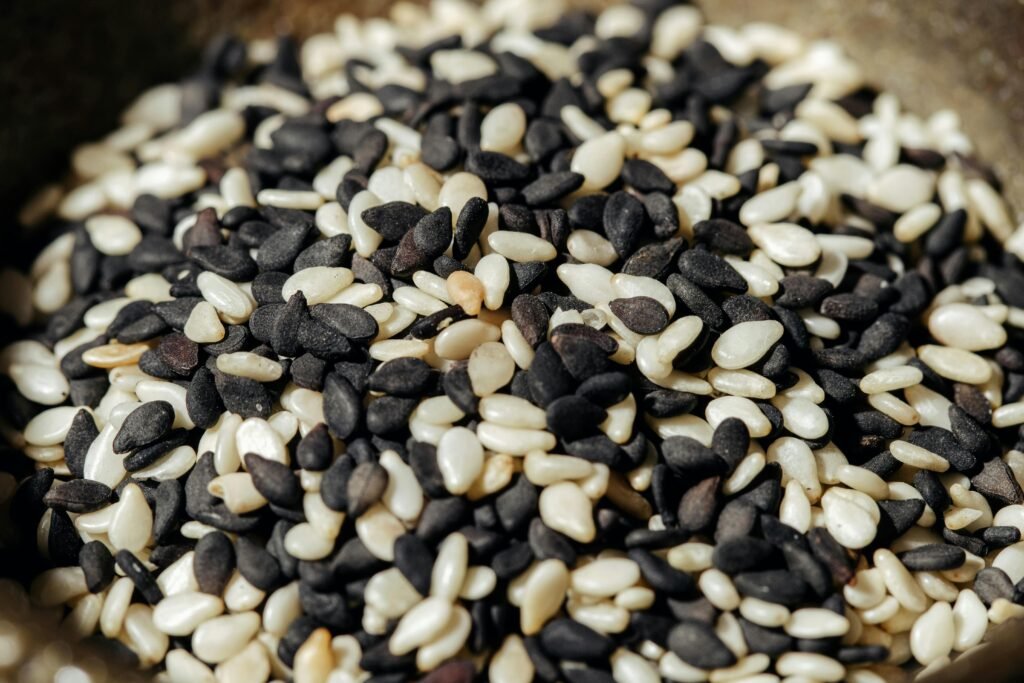
Sesame seeds are small, oil-rich seeds derived from the Sesamum indicum plant. They are one of the oldest oilseed crops known to humanity, cultivated for over 3,000 years. Sesame seeds are prized for their nutty flavor and numerous health benefits. They come in a variety of colors, including white, black, and brown, depending on the variety and hulling process.
Nutritional Composition
Sesame seeds are a powerhouse of nutrients. A 100-gram serving provides:
Calories: ~573 kcal
Protein: 17 g
Fat: 50 g (primarily healthy fats, including omega-6 fatty acids)
Carbohydrates: 23 g
Fiber: 12 g
Minerals: Rich in calcium, magnesium, phosphorus, iron, zinc, and selenium
Vitamins: Contains Vitamin E, B-complex vitamins (B1, B2, B3, B6), and folate
Antioxidants: Lignans like sesamin and sesamol
Health Benefits
Rich Source of Antioxidants:
Sesame seeds contain lignans and vitamin E, which help reduce oxidative stress and prevent cell damage.
Supports Bone Health:
High levels of calcium, magnesium, and phosphorus contribute to maintaining strong bones.
Promotes Heart Health:
The seeds are rich in unsaturated fats and help lower LDL cholesterol while improving HDL cholesterol levels.
Regulates Blood Pressure:
Magnesium and potassium in sesame seeds help regulate blood pressure.
Improves Skin and Hair:
The vitamin E and zinc content supports healthy skin and strengthens hair.
Aids Digestion:
High fiber content aids in digestion and promotes gut health.
Culinary Uses
Sesame seeds are highly versatile in cooking and are used in various cuisines worldwide:
Toppings: Sprinkled on bread, bagels, and baked goods.
Tahini: A paste made from ground sesame seeds, essential in Middle Eastern dishes like hummus.
Oil: Sesame oil is used for cooking, salad dressings, and as a flavor enhancer.
Condiments: Used in sauces, marinades, and spice blends like za’atar and gomasio.
Snacks: Incorporated into sweets like sesame brittle (tilgul) and halva.
Types of Sesame Seeds
White Sesame Seeds: Commonly used in baking and cooking for their mild flavor.
Black Sesame Seeds: Known for a stronger, nuttier taste, often used in Asian cuisine.
Hulled Sesame Seeds: The outer husk is removed, making them less bitter and softer.
Unhulled Sesame Seeds: Retain the outer shell, offering more fiber and nutrients.
Storage Tips
Store sesame seeds in an airtight container in a cool, dry place.
For prolonged freshness, refrigerate or freeze them to prevent rancidity, especially for sesame oil.
Interesting Facts
Sesame seeds are one of the main ingredients in ancient cuisines, with mentions in Assyrian mythology.
They are considered a symbol of immortality and prosperity in many cultures.
The phrase “Open Sesame” from Ali Baba and the Forty Thieves signifies their association with unlocking treasures.
Sesame seeds are a nutritious addition to any diet and can be enjoyed in myriad ways!